Time:2025-07-23 Browse: 1
At the beginning of a project, how do you choose between resistive and capacitive touchscreens? With the advancement of technology and the maturity of display industries and products, touchscreens have become an essential component of modern devices, significantly enhancing the overall value of products.
|
|
Currently on the market, touchscreens are mainly divided into two types: "resistive touchscreens" and "capacitive touchscreens". So, at the start of a project, how should one decide which type to choose?
1. Understanding the Principles and Characteristics
First, it's important to understand the working principles and characteristics of both technologies.
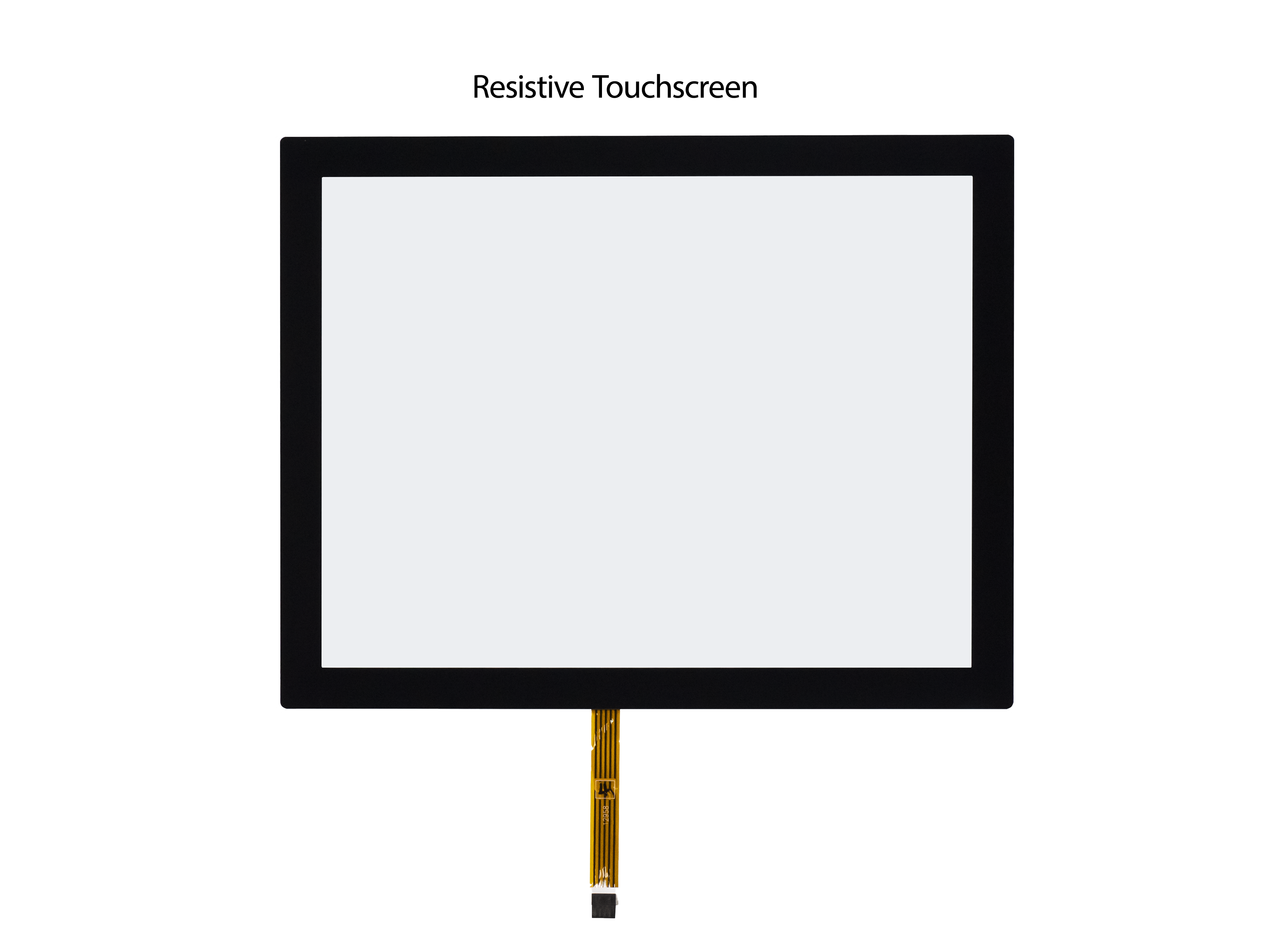
"Resistive Touchscreens" Detect touch through pressure-induced resistance changes between two conductive layers (e.g., ITO-coated glass and a flexible polyester film).
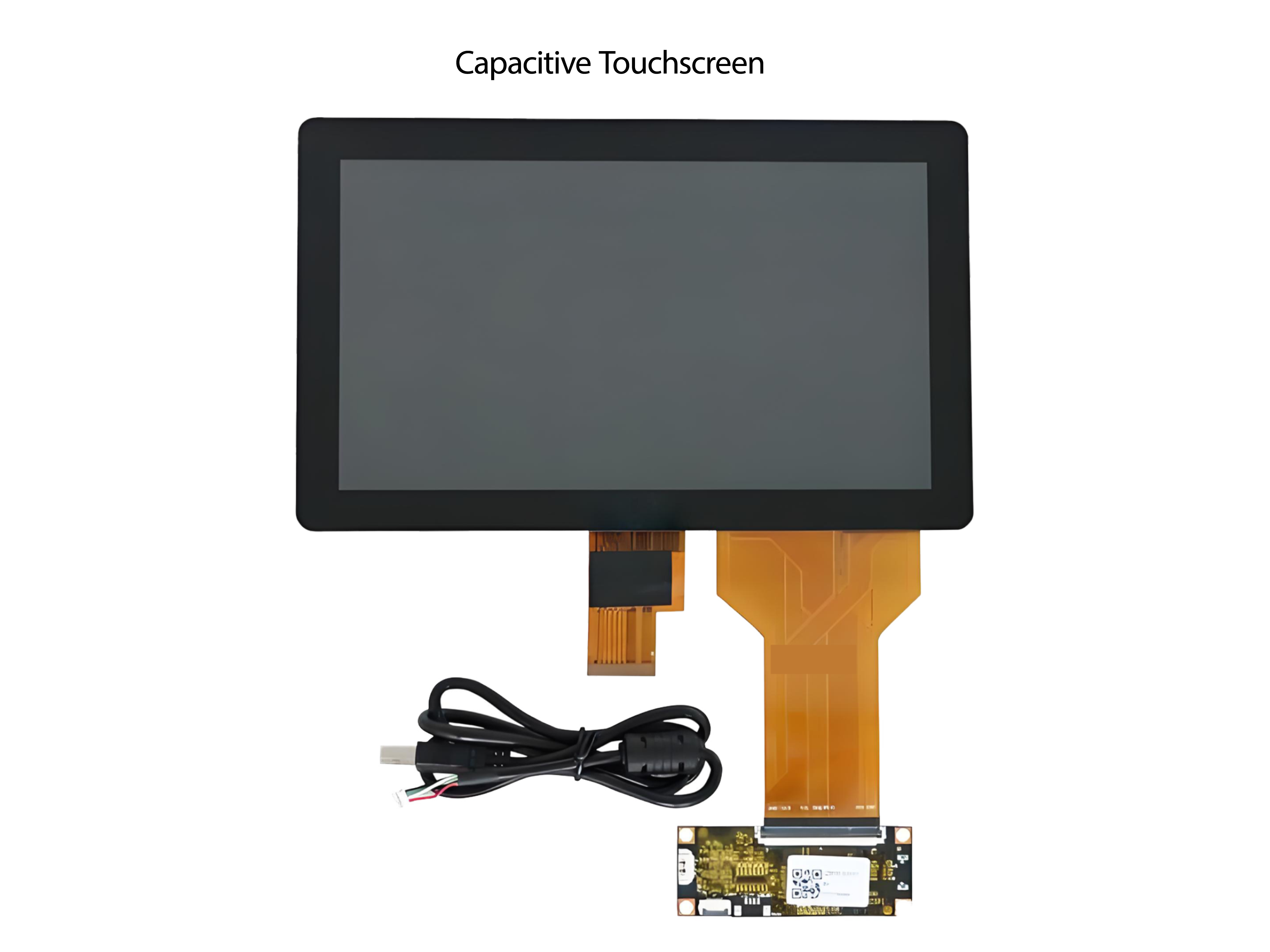
"Capacitive Touchscreens", Leverage the human body's natural capacitance to detect touch via an electrostatic field disruption.
2. Evaluating Application Requirements
Next, consider the actual usage environment and functional requirements of the industrial product:
"Resistive Touchscreens" are more durable and scratch-resistant, making them suitable for harsh environments, frequent use, or applications where durability is a priority. They are less affected by environmental factors and have strong adaptability.
"Capacitive Touchscreens" offer higher sensitivity and faster response times, making them ideal for applications requiring precise and rapid touch input. They support "multi-touch" gestures, which resistive screens typically do not. However, capacitive screens are more sensitive to interference and require a stable, clean environment.
3. Cost is another important factor:
"Resistive Touchscreens" generally have a "lower manufacturing cost", making them suitable for budget-sensitive projects.
"Capacitive Touchscreens"are "more expensive" due to their advanced technology and better performance. However, their superior user experience and multi-touch capabilities often justify the higher cost in high-end applications.
In summary, choosing the right touchscreen depends on the "usage environment", "performance requirements", and "budget constraints":
- If the environment is complex, durability and resistance to interference are critical, and there is a strict cost limit, "resistive touchscreens" are recommended.
- If your product requires "high sensitivity", a "clean usage environment", "multi-touch functionality", and you have a flexible budget, then "capacitive touchscreens" are the better choice.
Most importantly, the selection should be based on the“actual application scenario and user needs“ to enhance both user experience and operational efficiency.