The following electrostatic control materials used in TFT-LCD modules are summarized: secondary materials in FPCAs, double-sided adhesive conductive fabric/copper foil, conductive silver paste, blister trays, anti-static bags, partition foam, and protective film. For details, please see the information below.
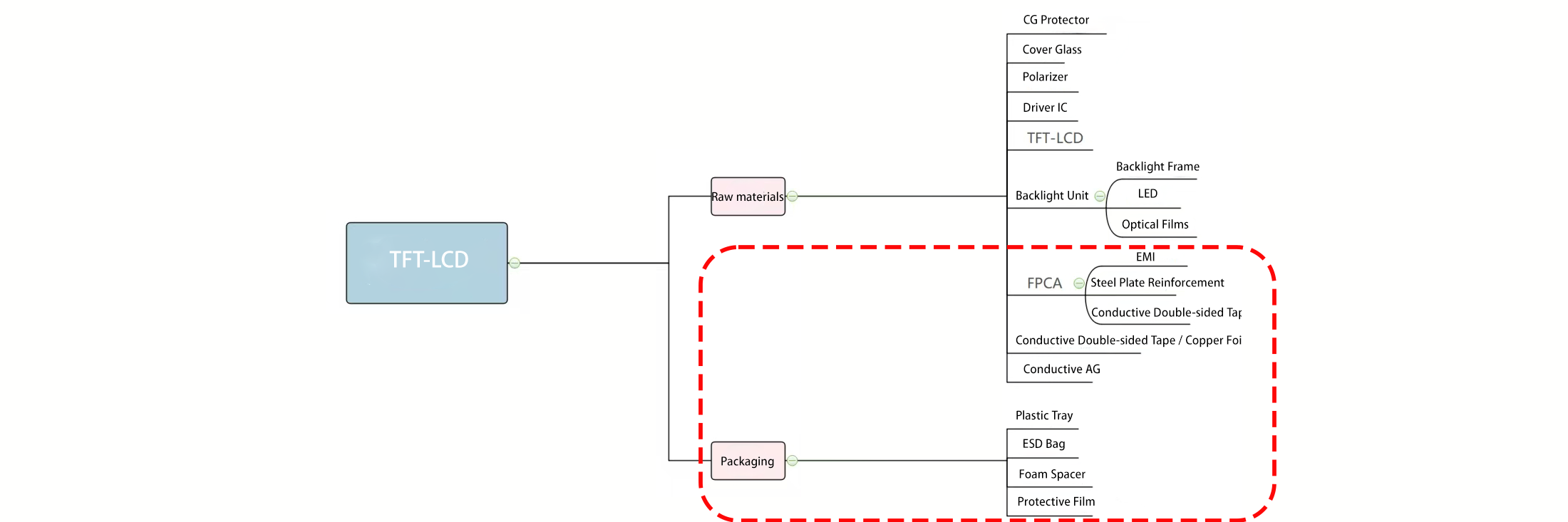 1. FPCA: The design and routing of the Flexible Printed Circuit play a significant role in the electrostatic discharge (ESD) protection and dissipation for TFT-LCD modules. For instance, incorporating Transient Voltage Suppression (TVS) diodes and surrounding signal traces with Ground (GND) loops are common protective measures. Additionally, three specific materials are commonly attached to the FPCA surface. These materials must meet certain resistance requirements, and lower resistance values are more conducive to electrostatic conduction.
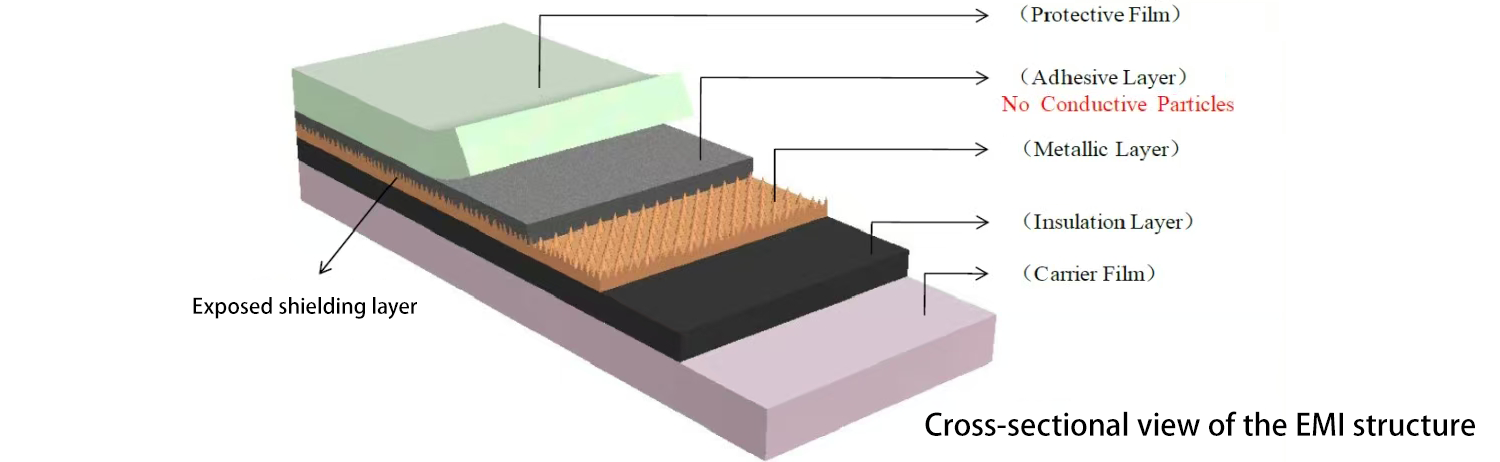
① EMI Shielding Film: Attached to the FPCA surface, its primary function is to suppress electromagnetic interference. The resistance control of the EMI film is critical, specifically focusing on the resistance between the EMI film and the reserved GND pad (exposed after the FPCA cover lay opening).
Per mainstream specifications, the grounding resistance of the EMI film shall be <1Ω (based on test pads with a 10mm distance and a pad diameter of Φ1.0mm). The resistance increases proportionally with the distance between the test pads.
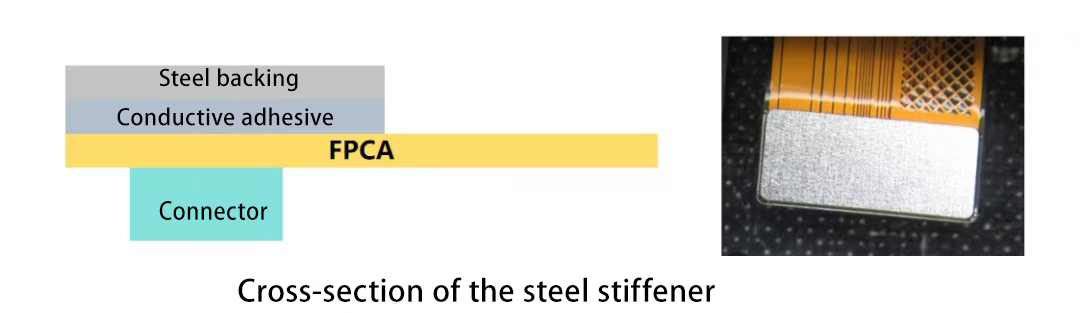
② Stainless Steel Stiffener: It is grounded to the reserved GND (exposed after the FPCA cover lay opening) via conductive adhesive, thereby facilitating electrostatic conduction.
The standard specification for the grounding resistance of the steel stiffener is typically <3Ω, tightened to <1Ω in stringent cases. The resistance value correlates with the number and area of exposed copper points on the FPCA, the selection of conductive adhesive, and whether the steel stiffener is nickel-plated.
③ Double-sided Adhesive Conductive Fabric: This material can be attached to either the FPCA or the backlight module's iron frame. The mainstream approach, however, is to attach it directly onto the FPCA. Its primary functions are to secure the FPCA in place and to ground the exposed copper areas on the FPCA, thereby providing a path for electrostatic discharge.
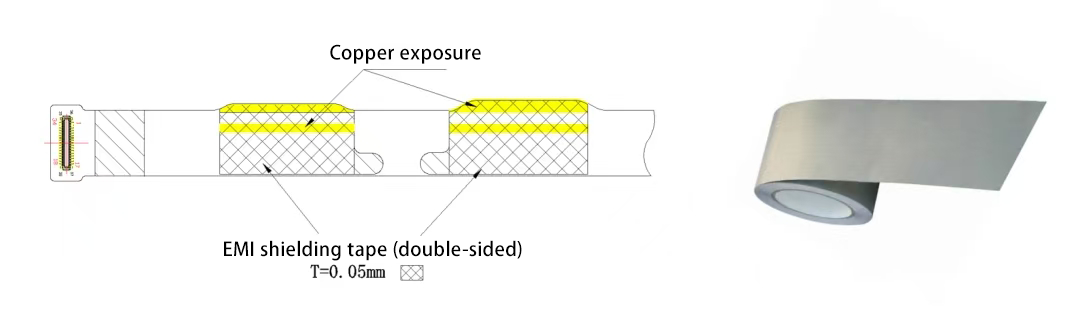
Regarding the electrostatic conduction capability of the double-sided adhesive conductive fabric, two aspects are primarily evaluated:
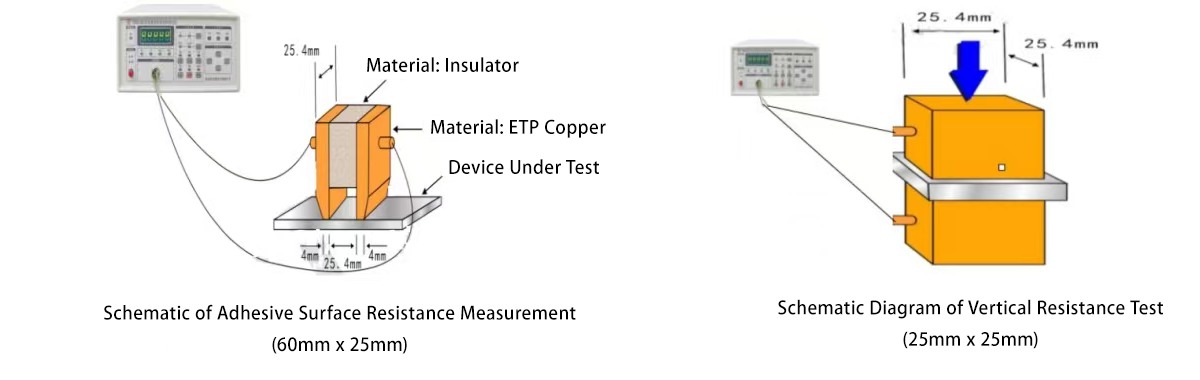
●Material Resistance of the conductive fabric itself
●Grounding Resistance between the conductive fabric and the exposed copper on the FPCA
Furthermore, the material resistance can be broken down into:
●Horizontal Resistance (XY direction, i.e., surface resistance of the adhesive)
●Vertical Resistance (Z direction)
Typical specifications require the horizontal resistance to be <0.05~0.1Ω and the vertical resistance to be <0.05~0.08Ω. The grounding resistance between the fabric and the FPCA's exposed copper should be <3Ω.
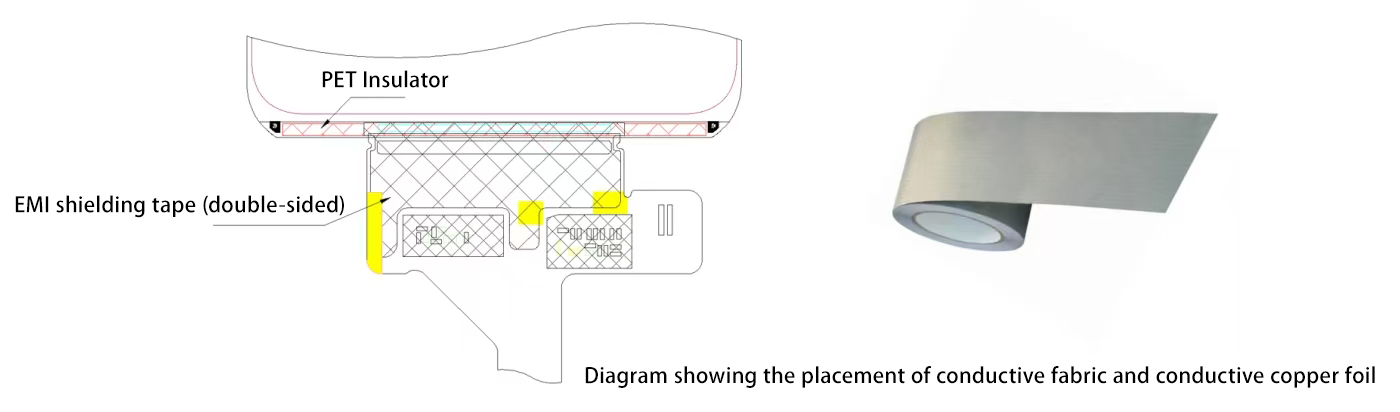
2. Double-sided Adhesive Conductive Fabric & Copper Foil: In this context, the conductive fabric and copper foil are applied onto the IC surface and FPCA to reduce electromagnetic interference and facilitate electrostatic discharge.
The horizontal resistance (surface resistance) of the copper foil is typically specified to be <0.05~0.1Ω, with a vertical resistance of <0.05Ω. The grounding resistance between the copper foil and the exposed copper on the FPCA must be <3Ω.
Two critical points require special attention:
- ①The number of exposed copper points on the FPCA is generally recommended to be more than two.
- ②For the areas covering the IC and the single-layer LCD region, an insulating PET layer must be designed underneath the double-sided conductive materials. This prevents direct contact between the conductive materials and the circuit traces, thereby eliminating the risk of short circuits.
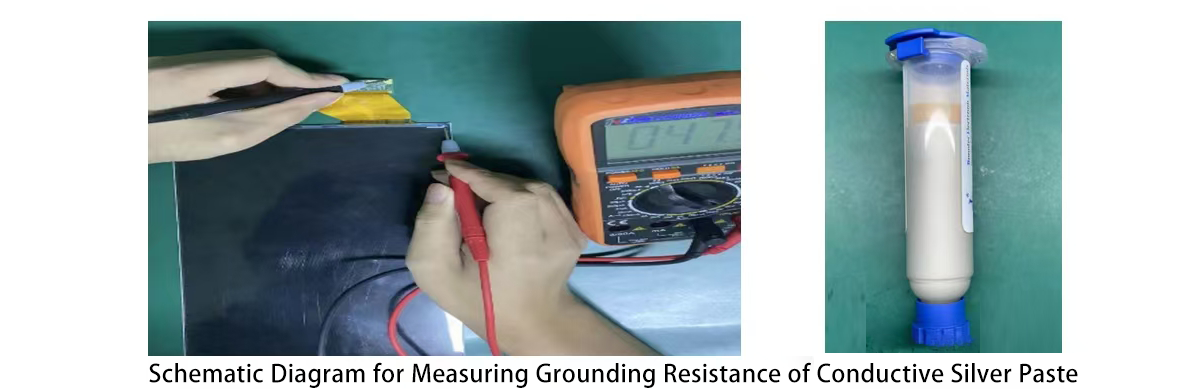
3. Conductive Silver Paste: Its primary function is electrostatic conduction. Two resistance values are involved: one is the resistance of the silver paste material itself, and the other is the grounding resistance between the silver paste and the exposed copper on the FPCA.
The volume resistivity of the conductive silver paste material is extremely low, typically specified to be 10~4 Ω/cm. The grounding resistance between the silver paste and the exposed copper is generally required to be ≤1000Ω, tightened to <200Ω in stringent cases. The specification for grounding resistance control is correlated with the distance between the silver paste dot and the exposed copper point.
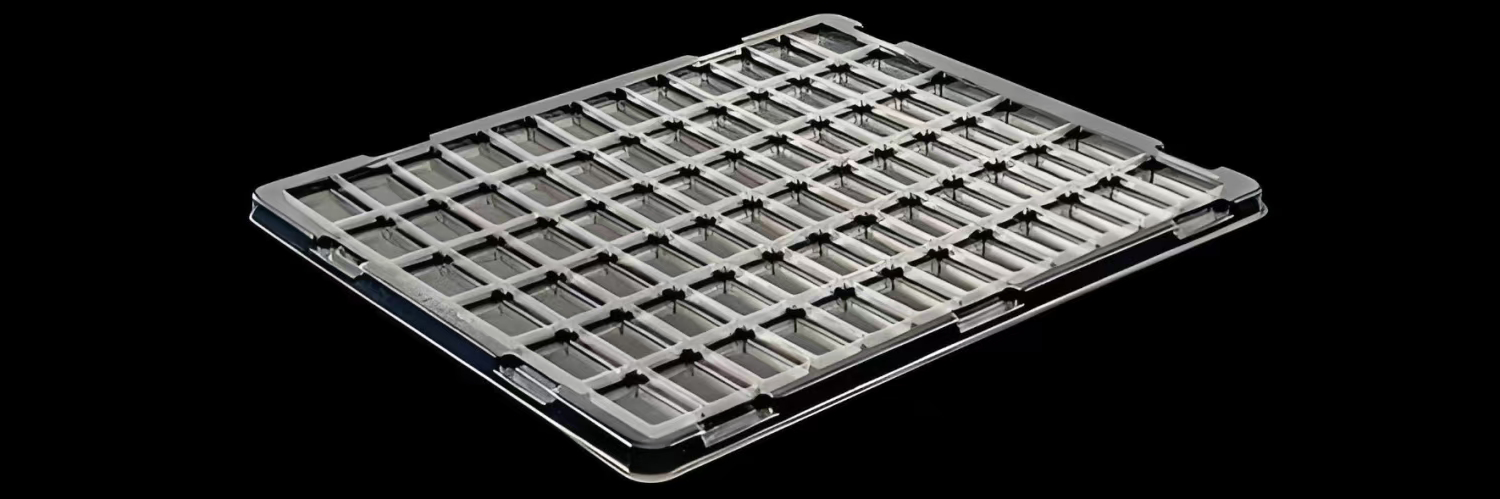
4. Thermoforming Trays: In the TFT-LCD module manufacturing, handling, and shipping processes, thermoforming trays are extensively used—for example, trays for LCD panels, FPCAs/PCBAs, backlight units, semi-finished modules, and finished product shipping.
Given the wide range of applications, strict control of electrostatic parameters for these trays is critical. Two key indicators are monitored: friction voltage and surface resistance.
●Friction Voltage: Must be <100V.
●Surface Resistance: This varies depending on the grade of anti-static PET material used and is categorized into two types:
--General Anti-static: Surface resistance: 10⁹ ~ 10¹¹ Ω/◻︎
--Permanent Anti-static: Surface resistance: 10⁵ ~ 10⁹ Ω/◻︎
The selection between these two PET materials impacts cost and should be determined based on specific customer product requirements.
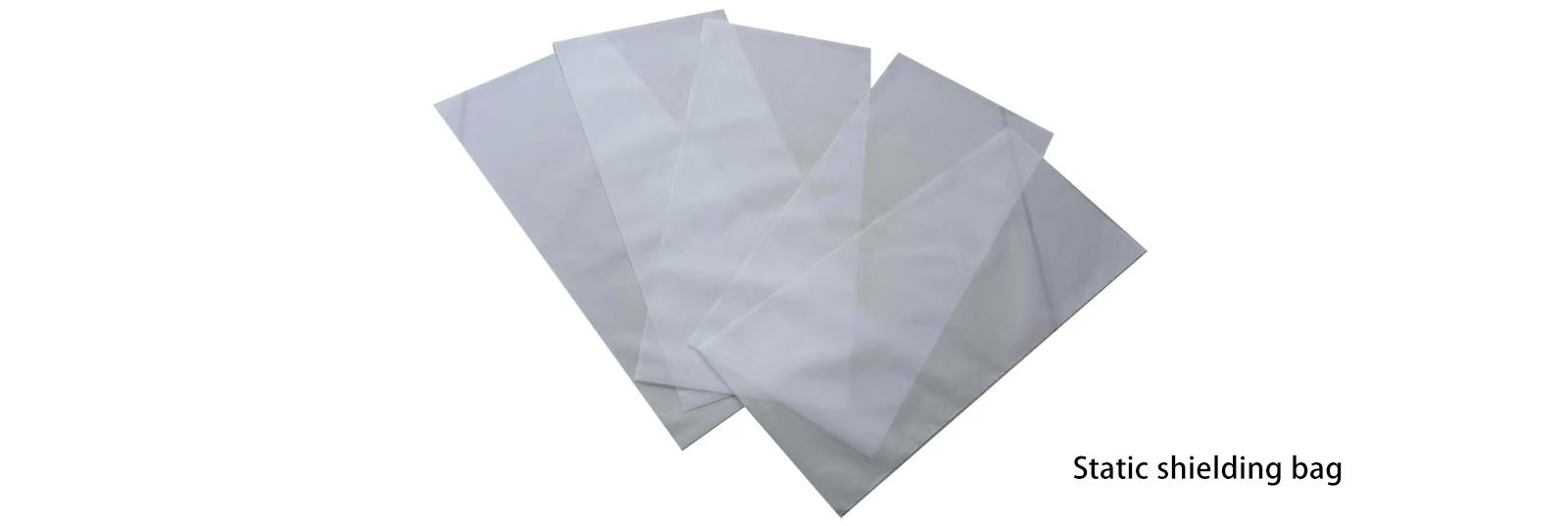
5. Anti-static Bags: These are essential for packaging critical components of TFT-LCD modules, primarily used to wrap the thermoforming trays for LCD module shipping.
Two key indicators are controlled: friction voltage and surface resistance.
●Friction Voltage: Must be <100V.
●Surface Resistance: The standard specification is 10⁹ ~ 10¹¹ Ω/◻︎, tightened to 10⁵ ~ 10⁹ Ω/◻︎ in stringent cases. Lower surface resistance indicates better anti-static performance.
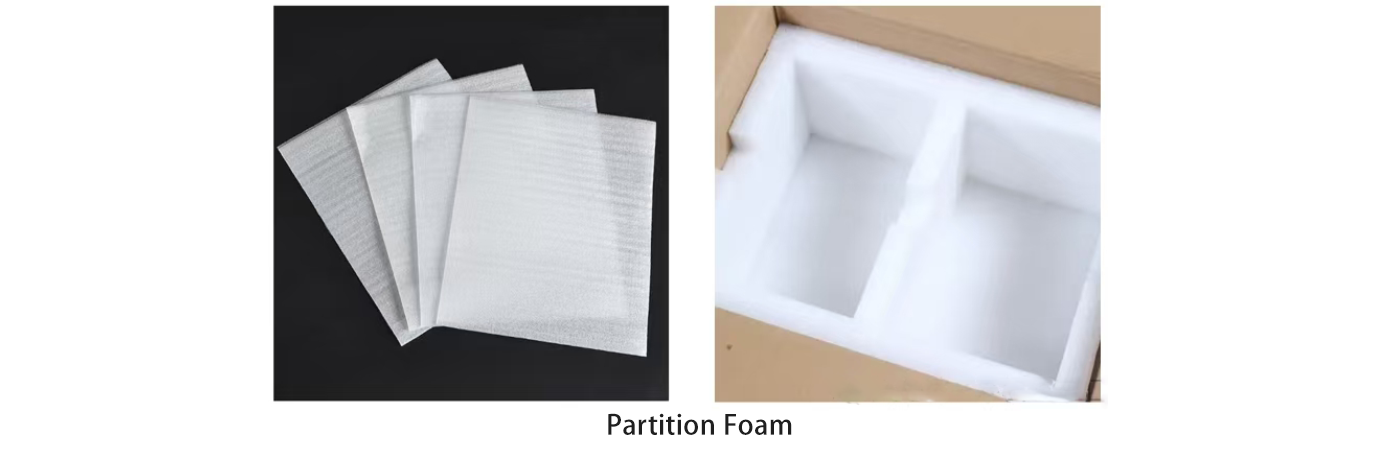
6. Spacer Foam: In TFT-LCD modules, spacer foam is used in two scenarios:
- ●Thin Foam: Placed on top of products within the thermoforming tray grooves to prevent damage from the upper tray.
- ●Thick Foam: Placed inside the carton, surrounding the thermoforming tray to absorb external impacts. This prevents damage to the tray and, consequently, protects the product.
ESD Specifications:
- ●Friction Voltage: <100V
- ●Surface Resistance: Standard specification: 10⁹ ~ 10¹¹ Ω/◻︎; tightened to 10⁵ ~ 10⁹ Ω/◻︎ in stringent cases.
7. Protective Films: In TFT-LCD modules, in addition to the cover lens protective film, various other films are used—such as peelable stickers, FPCA fixing Mylars, and steel stiffener handling PETs. Any material applied to a TFT-LCD module must meet anti-static requirements.
For these film materials, the resistance of the adhesive side is controlled to the same specification as the cover lens protective film: 10⁵ ~ 10⁹ Ω/◻︎.
Since TFT-LCD modules are highly static-sensitive optoelectronic devices, all materials—including primary components, packaging, and handling materials—must be anti-static. Therefore, during the early stages of product design and material selection, this aspect must be a top priority to prevent "small oversights leading to big losses" and avoid mass production failures.