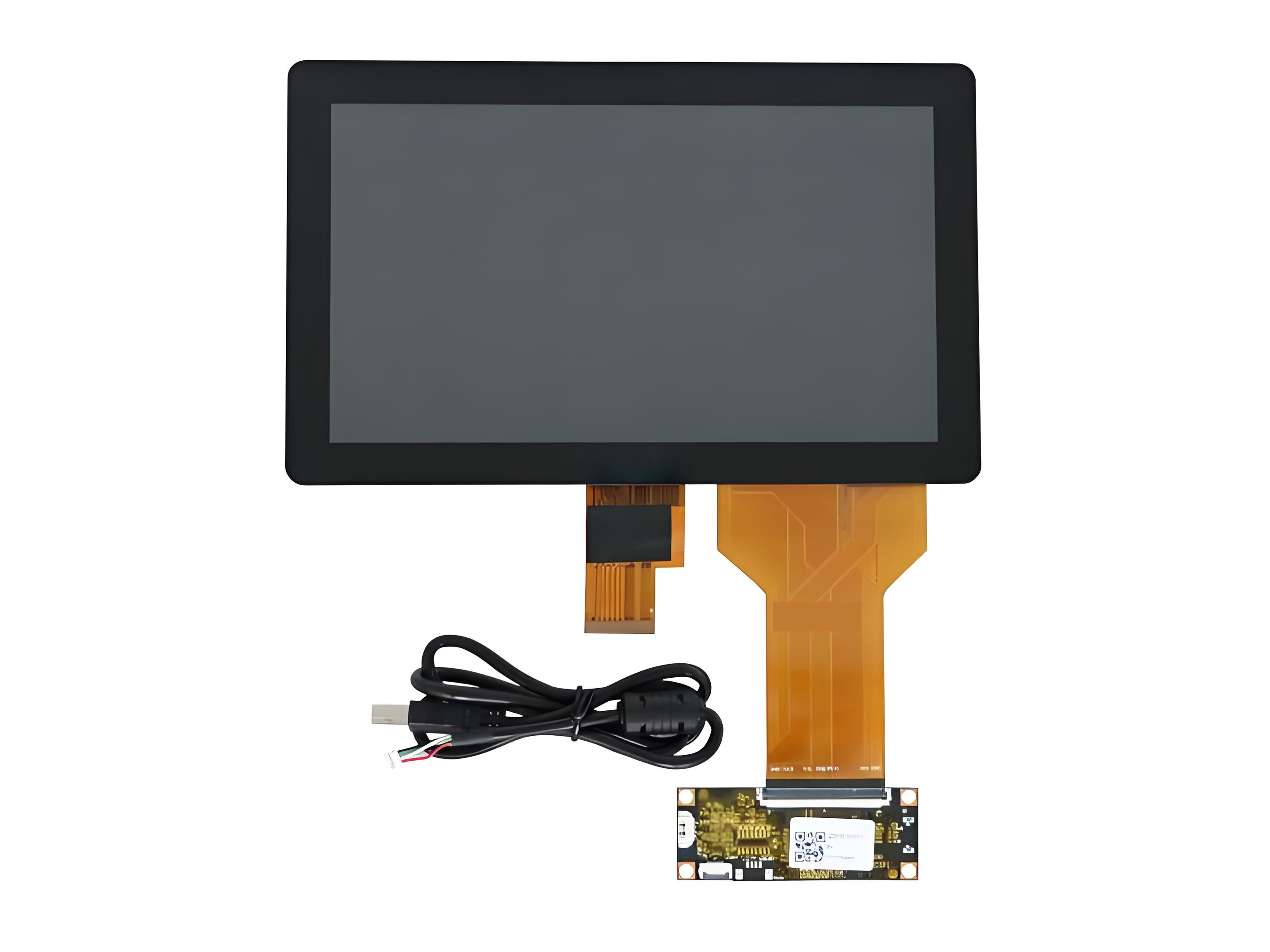
| Optical Bonding | Premium specifications and superior performance |
|---|---|
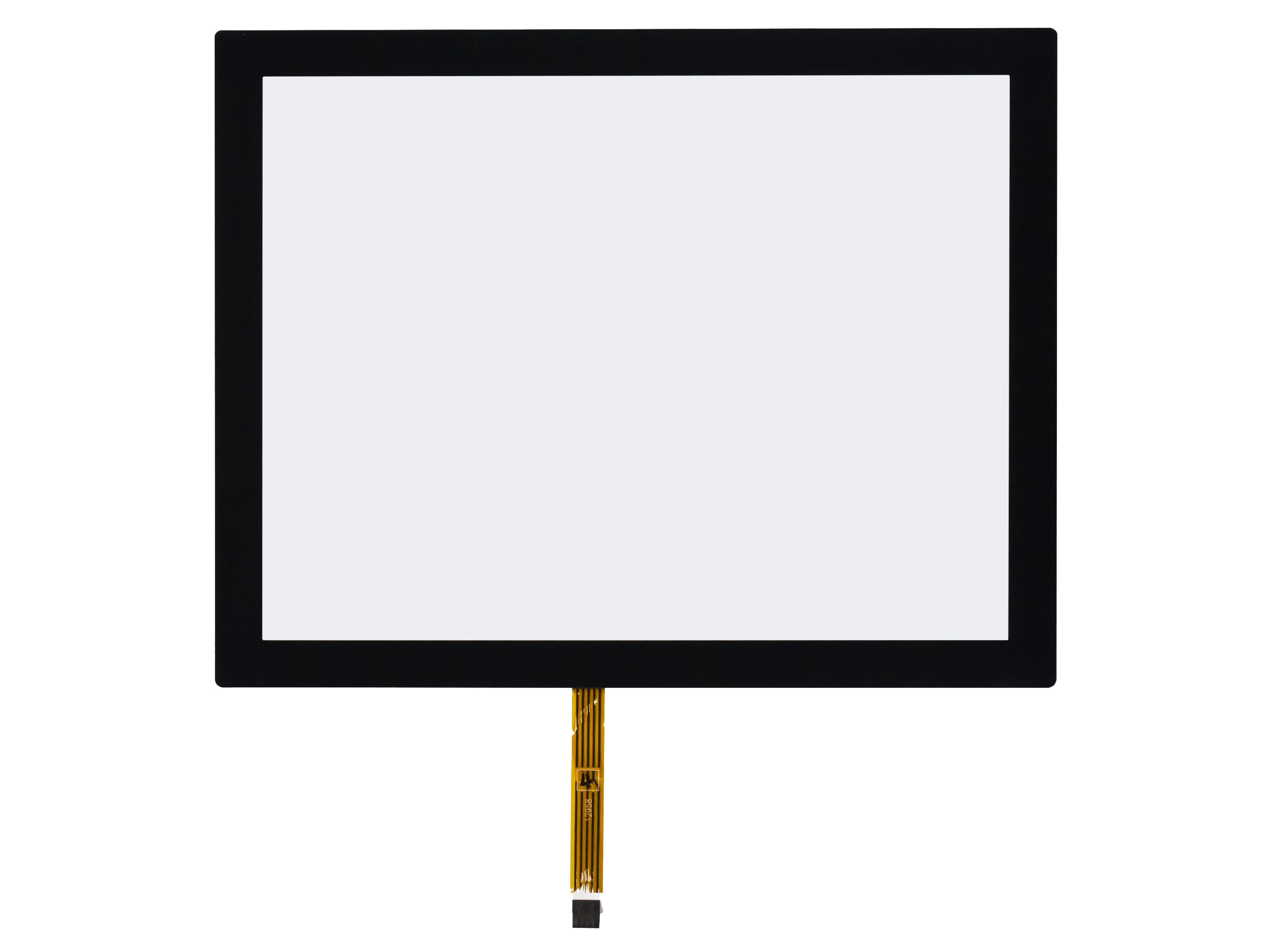
| Frame Bonding | Cost-Effective and Simple to Produce |
Precision Bonding Technology for Touch & LCD Modules
Precision bonding of touch panels and LCDs is essential for achieving superior display clarity, responsive touch control, and long-lasting durability — especially in demanding environments like industrial control, healthcare, and smart devices. Our advanced lamination technologies deliver tailored solutions that meet the highest standards for waterproofing, dust resistance, impact protection, and sleek, lightweight design.
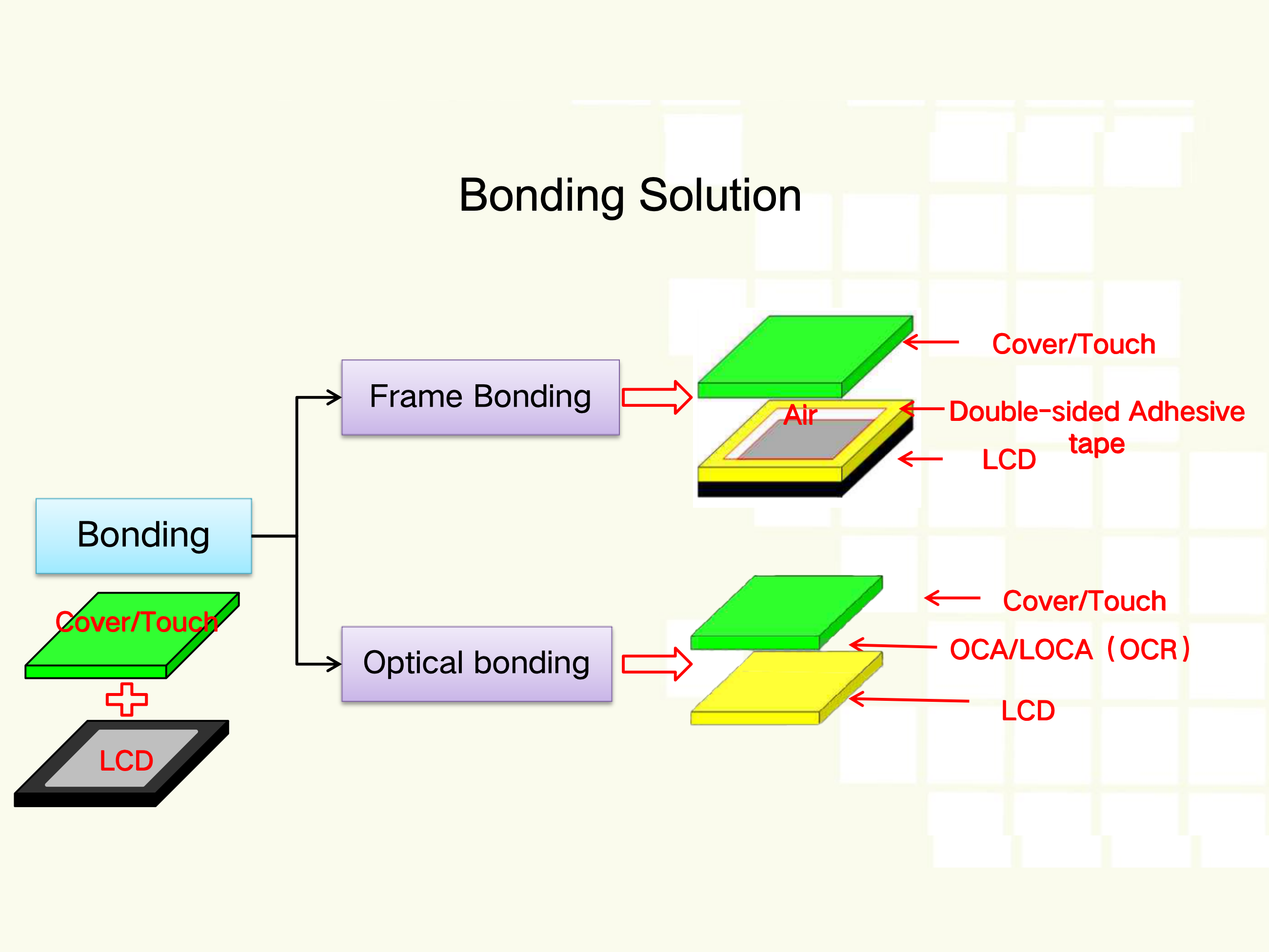
Touch Panel & LCD Bonding Technologies
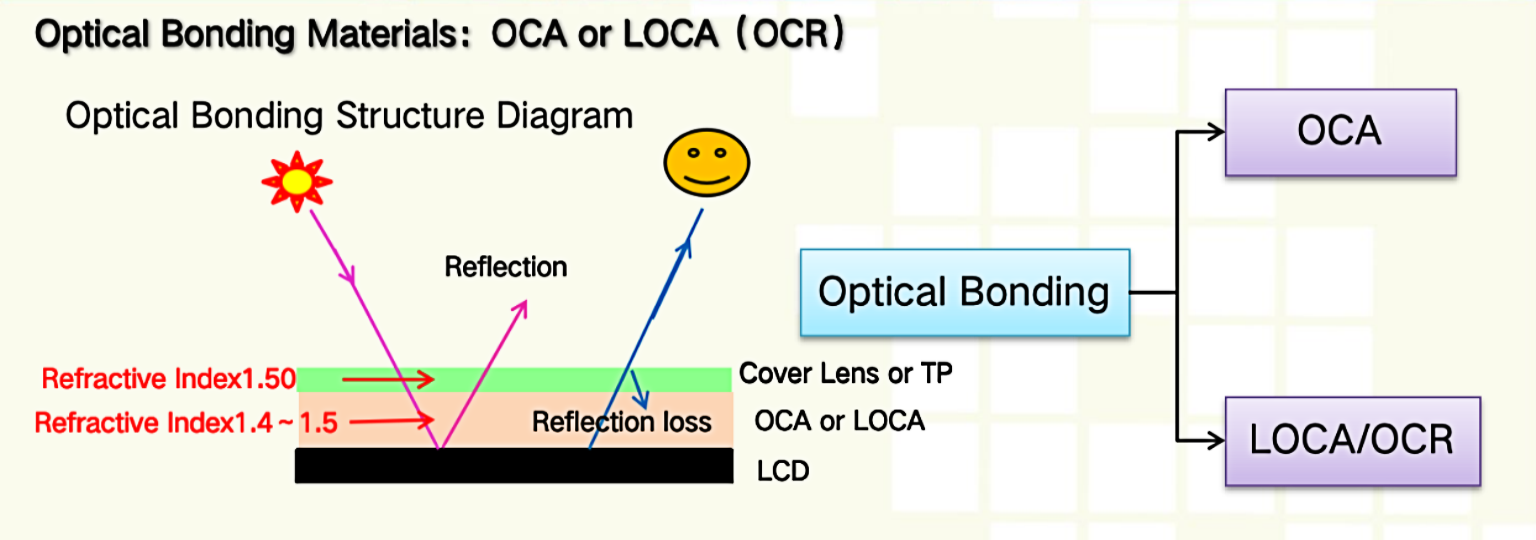
Advantages and Disadvantages of optical Bonding
| Advantages | Disadvantages |
Reduced Reflection and Glare :Optical Bonding minimizes the air gap between the display and the touch panel, significantly reducing internal reflections and screen glare — especially noticeable in bright environments such as sunlight. | Higher Manufacturing Cost :Optical Bonding involves complex bonding processes and high-precision equipment, which significantly increases production costs compared to traditional display assembly methods. |
Improved Sunlight Readability :With fewer reflections, the screen content becomes clearer and more readable under direct sunlight, enhancing the user experience outdoors. | Higher Manufacturing Cost :If either the touchscreen or the display is damaged, the entire Optical bonding unit often needs to be replaced, as separating the layers without causing further damage is extremely difficult and costly. |
Enhanced Touch Sensitivity :The elimination of the air gap allows for more accurate and responsive touch detection, improving the overall touch experience. | Limited Repairability :Due to the tight integration, repair options are limited. This can lead to higher repair expenses and greater electronic waste, as replacing a single damaged component typically requires replacing the whole module. |
Slimmer and Lighter Design :Optical Bonding reduces the overall thickness and weight of the device by removing unnecessary layers and air gaps, contributing to a sleeker and more portable design. | Potential for Air Bubbles or Delamination :Imperfections during the optical bonding process may result in air bubbles or delamination over time, affecting screen performance and appearance. |
Increased Durability :The bonding process strengthens the structural integrity of the screen, making it more resistant to shocks, vibrations, and dust ingress. | Sensitivity to Thermal Expansion :Different materials in the optical bonding layers may expand or contract at different rates under temperature changes, potentially leading to warping or stress on the screen over time. |
Better Aesthetic Appeal :The seamless integration of the display and touch layers creates a more premium and modern look, often preferred in high-end devices. | More Complex Production Process :Optical bonding process requires strict environmental controls and advanced technology, making it more challenging and time-consuming to manufacture compared to non-optical bonding displays. |
Common Use Cases: operating room medical displays& military-grade rugged tablets&outdoor advertising machines&industrial tablet computers&medical monitors& vehicle display screens.
● Frame Bonding
---Use double-sided tape or foam tape only along the screen's peripheral regions to bond the touch panel to the LCD, leaving an air gap in the center.
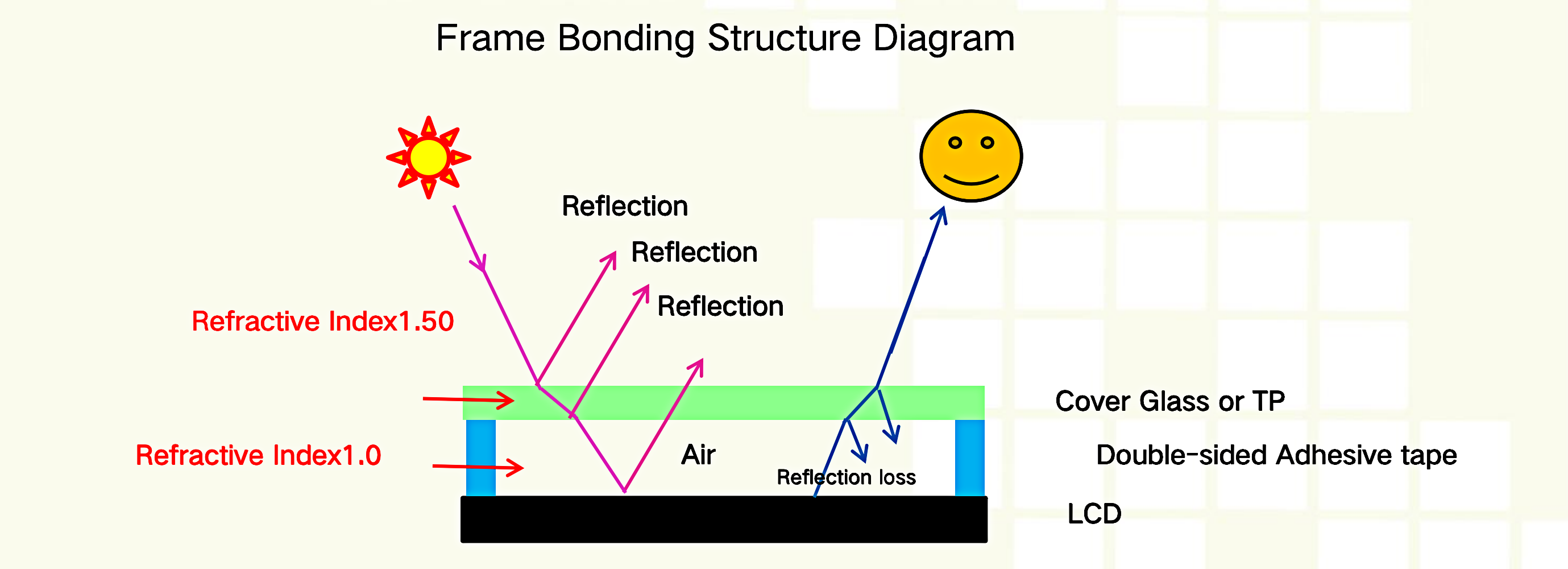
Advantages and Disadvantages of Frame Bonding
Advantages | Disadvantages |
Low Cost: The manufacturing process is simple, using double-sided tape or foam tape to bond the touch panel to the LCD, resulting in low material costs. | Poor Display Quality: ● Air Gap Issue, There is an air gap of 0.3–0.5mm between the touch panel and the LCD, causing light refraction that results in a "foggy" or "hazy" effect, reducing contrast and clarity. ● Severe Glare,The air gap increases reflection of ambient light, significantly reducing visibility under bright lighting conditions. |
Simple Process with High Yield: The operation is straightforward and can be completed manually with minimal requirements for equipment and production environment, leading to high production yield. | Susceptible to Dust and Environmental Factors: The air gap cannot be fully sealed, allowing dust and moisture to enter the screen over time, potentially leading to screen fogging or reduced optical performance. |
Easy Maintenance: As the touch panel and LCD are separate components, if one layer is damaged, it can be replaced individually, reducing maintenance costs. | Lower Durability: ●Weak Impact Resistance: The layered structure is less resistant to impact; long-term use may lead to touch offset or delamination due to temperature variations. ●Lower Mechanical Strength:Compared to full lamination technology, the mechanical strength is lower, increasing the risk of screen breakage. |
Wide Applicability: This method is widely adopted in industrial equipment and self-service terminals, where cost sensitivity is high and display performance requirements are relatively low. | Suboptimal Touch Experience:Due to the presence of the air gap, touch signals may be interfered with, resulting in lower sensitivity and accuracy compared to optical bonding. |
Common Use Cases:indoor industrial control panels and entry-level smart terminals.
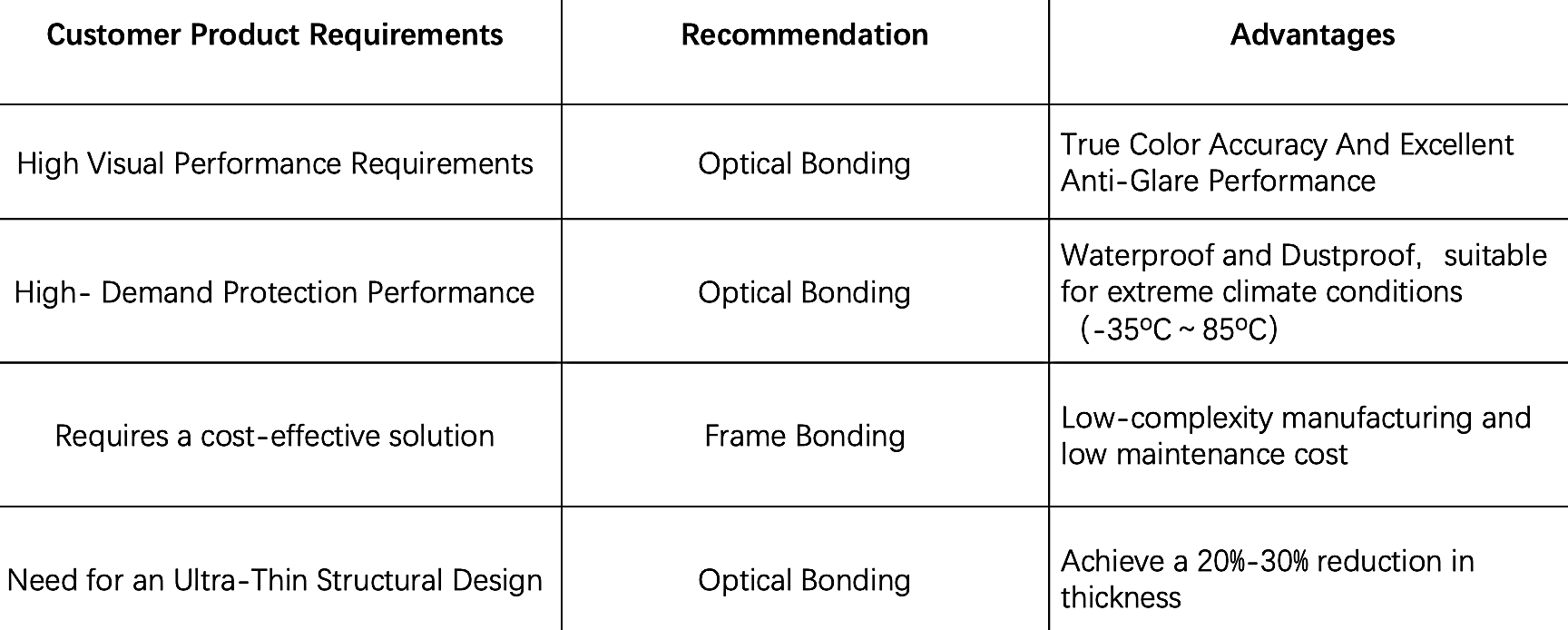
●Process Option Recommendations